Everyone wants to do better when it comes to what they put on their skin. And for a lot of people, that means reaching for products labeled "vegan." But here's something I've learned both as a cosmetic formulator and as a vegan beauty brand owner: the word vegan on a label doesn't always mean what you think it means — and sometimes, the products you assume are vegan absolutely are not. Or they are vegan, but filled with tons of synthetic ingredients. So I'm sharing how to check if a product is truly vegan so that you can feel prepared the next time you shop for body care products.
Let's break it all down, because you deserve to actually understand what you're buying.
First: What Does "Vegan" Even Mean in Body Care?
In the context of skincare and body care, a vegan product contains no animal-derived ingredients and no animal byproducts. That means no beeswax, no honey, no collagen sourced from animal bones, no silk proteins — and yes, no lanolin.
That last one surprises people more than almost any other ingredient.
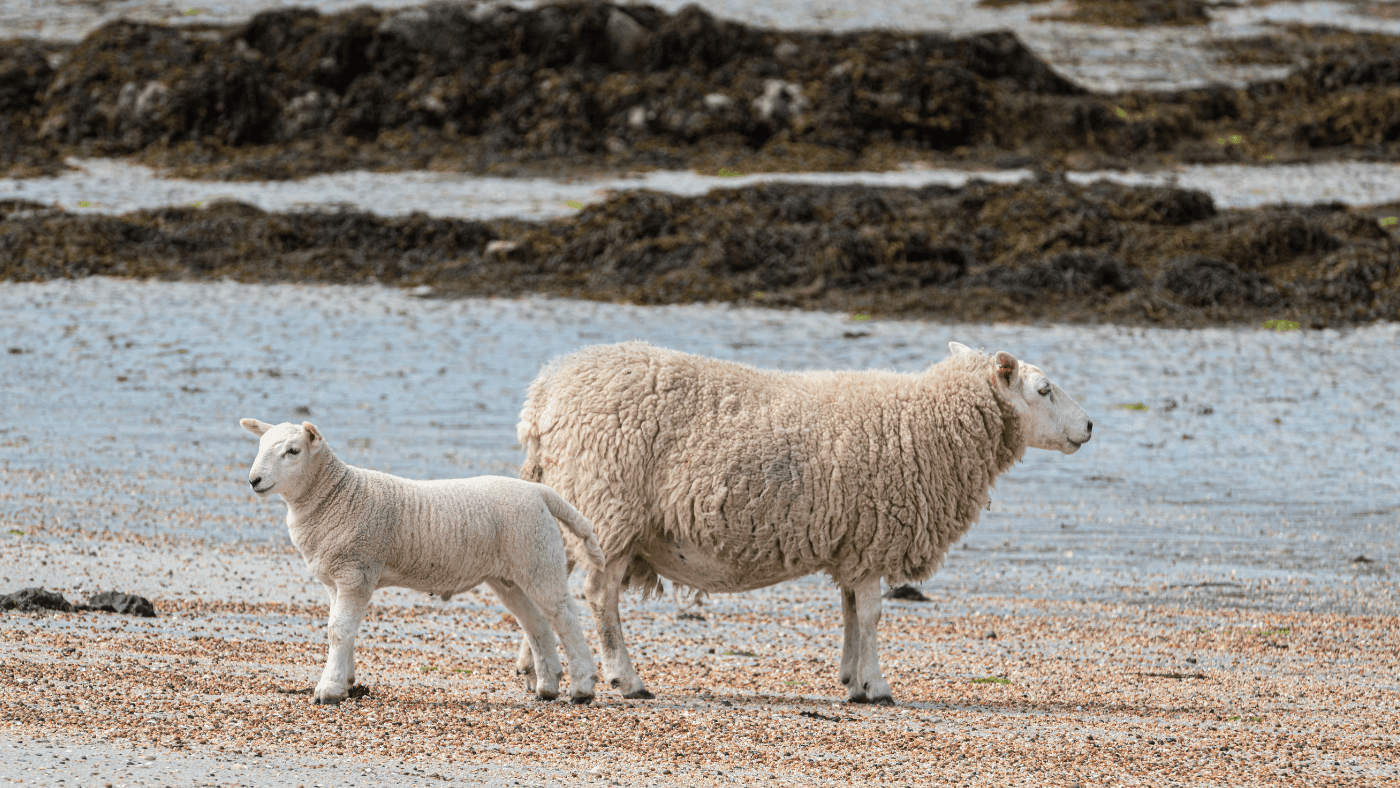
Lanolin is derived from sheep's wool — specifically, it's the waxy secretion that coats wool fibers. It's widely praised in the beauty world for its moisture-locking properties, and it genuinely does have benefits. But it is not vegan. A lot of people see "lanolin" on a label and assume it's a gentle, natural, plant-based ingredient because of how it's marketed. It's not. This is exactly the kind of thing that slips through when you're shopping on autopilot and trusting a brands marketing.

The Ingredient Categories That Get Murky
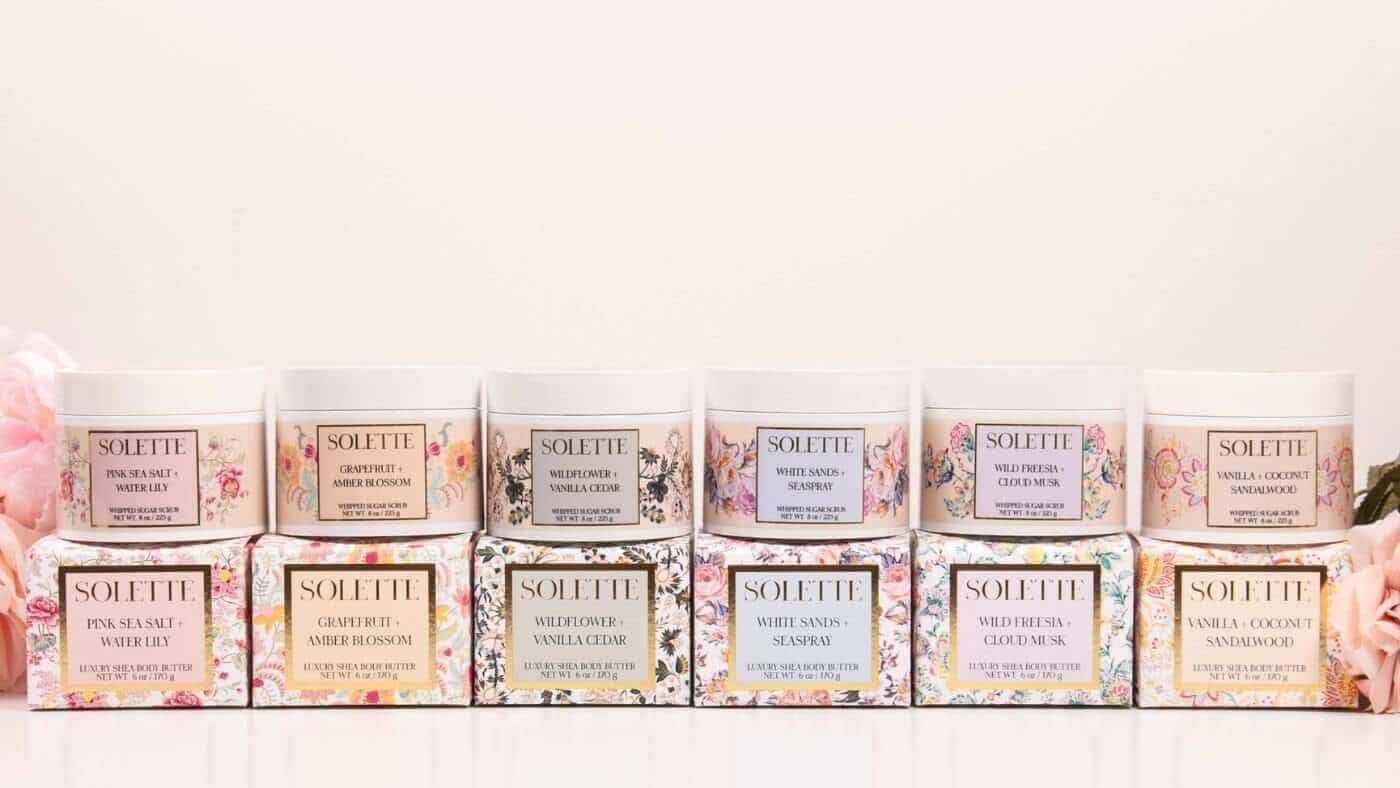
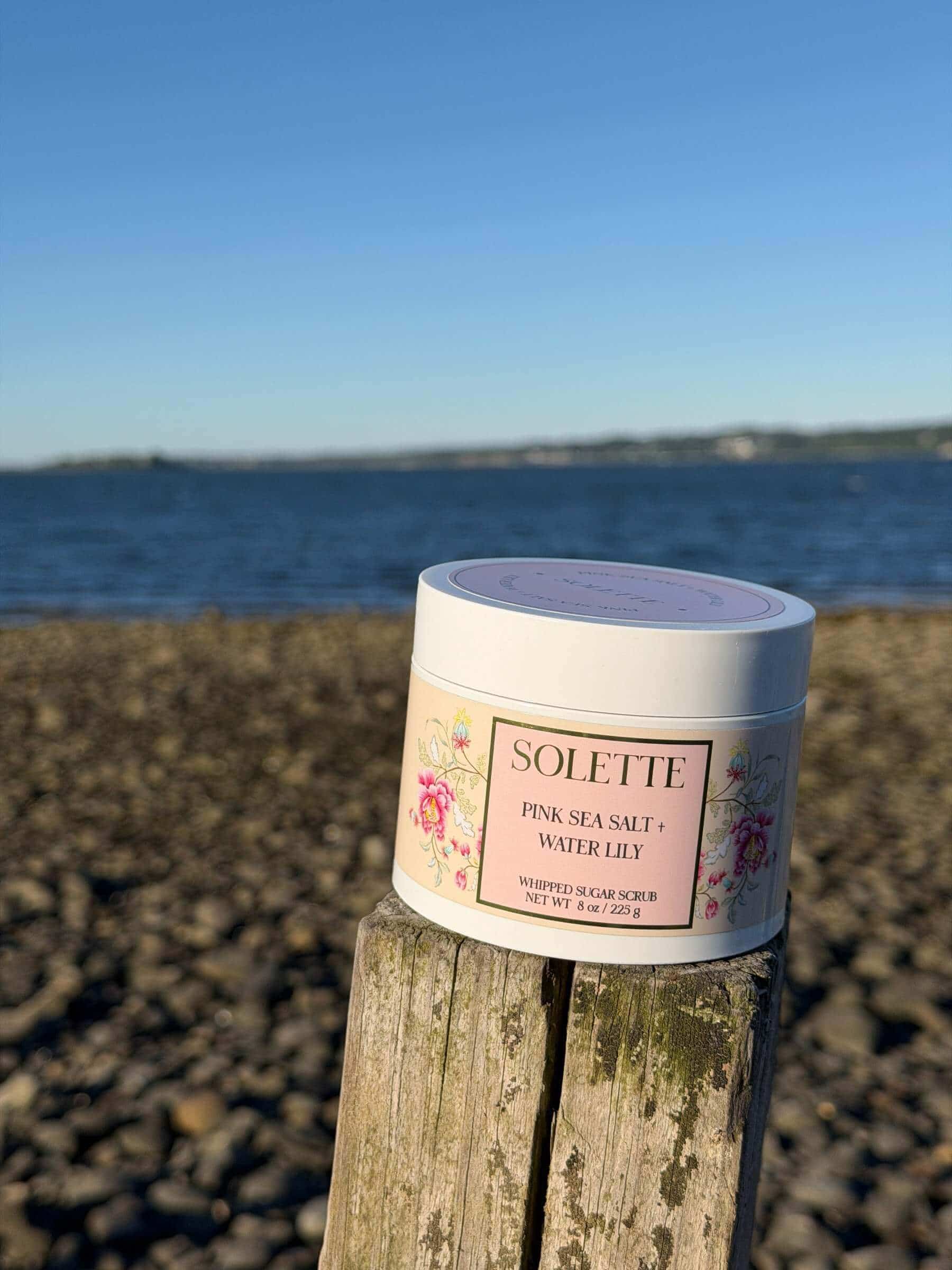
When I formulated Solette's body scrub, I thought about several key components: the exfoliant that would be best for sensitive skin, the oils and emollients that make it feel luxurious, and the fragrance. Vegan status can get complicated in all three — but these two categories deserve the most attention:
Emollients and Skin-Softening Ingredients
This is where you'll find some of the most seductive non-vegan ingredients in the body care world. Goat milk and tallow (rendered animal fat) are both having a moment right now, marketed as rich, skin-nourishing, even "traditional" skincare ingredients. And from a formulation standpoint, I understand the appeal — they do have emollient properties.
But they're a hard no for me, personally and professionally. If vegan body care matters to you, emollients are the first place to scrutinize. Look for plant-based oils like coconut, jojoba, sunflower, or shea instead.
Fragrance
This one catches even informed shoppers off guard. Fragrance is a broad category, and some scent compounds are derived from animal sources. Musk, for example, was historically derived from musk deer glands — and while synthetic musks are now common, not every brand is transparent about sourcing. Certain floral notes and fixatives can also have animal origins.
When I'm sourcing fragrance for Solette products, I'm specifically vetting that none of the individual components come from animal sources. It's a deeper level of due diligence than most consumers ever think to ask about — and honestly, more than most brands think to do either.
What About Vegan Certification Logos?
There are several vegan certification programs out there — PETA's Beauty Without Bunnies program being one of the most recognized — but I'll be straightforward: I haven't deep-dived into the requirements of every certification body. What I do know is that there's a meaningful difference between a brand that has gone through a formal certification process and a brand that simply makes a vegan claim on their label.
Solette Beauty carries a vegan label claim. We are not yet certified vegan. Those are two different things, and I think it's important that you know that distinction exists — not just for my brand, but for every brand you pick up.
A certification means a third party has audited the ingredients and (in many cases) the supply chain. A label claim means the brand owner is asserting it's vegan. In most cases, brands making that claim are being truthful. But the certification adds a layer of accountability that a self-made claim doesn't.
My advice: look for certification logos when they're present, but don't dismiss uncertified products either. Instead, pair label claims with your own ingredient literacy — which brings me to my biggest soapbox moment.
Please Stop Being Scared of Long Ingredient Names
I need to address something that drives me absolutely up the wall as a formulator: the idea that you should only use products whose ingredients you can pronounce and recognize.
I understand where it comes from. People are trying to avoid synthetic chemicals and mystery ingredients. But this rule, applied to personal care products, is genuinely misleading — and it causes people to distrust some of the cleanest, most skin-friendly ingredients in existence.
Take sodium cocoyl isethionate. It sounds like something from a chemistry lab. It's actually a mild, gentle cleansing agent derived from coconut oil. It's one of the kindest surfactants you can use on skin. I use it because it's effective and well-tolerated — not despite its name, but because I know what it actually is.
Personal care products follow strict INCI (International Nomenclature of Cosmetic Ingredients) naming standards. These names are standardized globally so that formulators, regulators, and ingredient suppliers can communicate clearly across languages and borders. An ingredient having a long Latin-sounding INCI name tells you nothing about whether it's harmful, synthetic, animal-derived, or anything else.
What does tell you something? Knowing a handful of commonly non-vegan ingredients by name. Here's a starter list to keep in your back pocket:
- Lanolin – sheep wool secretion
- Beeswax (Cera Alba) – honeybee byproduct
- Honey (Mel) – honeybee byproduct
- Carmine (CI 75470) – red pigment from crushed beetles
- Collagen – often bovine or marine sourced
- Keratin – typically from animal hair or feathers
- Tallow – rendered animal fat
- Casein – milk protein
- Silk Amino Acids – derived from silkworms
- Musk (certain types) – historically animal-derived; check for "synthetic musk" clarification
If you see a claim on the label that a product is vegan, I think you can generally trust it — brands put that claim there knowing it carries weight. But having this list in the back of your mind means you're shopping with both trust and knowledge, which is a much stronger position.
The Biggest Misconception I See in Vegan Beauty
Here's something that stopped me cold the first time I really paid attention to it, and I think about it all the time now as a formulator:
Vegan does not mean clean. And clean does not mean vegan.
I've looked at products from brands with strong vegan positioning — brands that clearly care about animals and ethics — and found ingredient lists packed with synthetic chemicals, harsh preservatives, and ingredients I'd never choose for Solette. Technically vegan. Not what I'd call clean beauty.
And the reverse is equally true. A product could be formulated with the most thoughtfully sourced, plant-derived, skin-loving ingredients and still not be vegan if it contains beeswax or honey.
These are two separate value systems, and conflating them leads to a lot of confusion and some genuinely misleading marketing. When you're shopping for vegan body care, be specific about what you're actually looking for:
- Vegan only? Focus on ingredient sourcing and animal byproducts.
- Clean only? Focus on safety profiles, synthetics, and formulation philosophy.
- Both? You need to evaluate for both independently — one label claim doesn't cover the other.
At Solette, I'm working toward both. Every formula I develop is vegan and made with ingredients I'd stand behind from a clean beauty standpoint. But I'm always careful not to imply one guarantees the other, because it simply doesn't.
How to Actually Check a Vegan Beauty Label
Here's a practical, realistic checklist for your next purchase:
- Look for a vegan claim or certification logo. Either is a starting point, but a certification (like PETA's program) means third-party verification.
- Scan for the red-flag ingredients listed above. Especially honey, beeswax, lanolin, carmine, and tallow — these appear in body care products more often than you'd think.
- Don't panic about long ingredient names. Look them up if you're curious, but length and complexity alone mean nothing.
- Remember that fragrance can hide non-vegan components. If a brand is truly committed to vegan formulation, they should be able to tell you their fragrance compounds are vegan-safe.
- Decide what else matters to you. Vegan is one thing. Cruelty-free, clean, sustainable packaging — these are all separate considerations worth evaluating separately.
A Final Word
I started Solette because I believe you shouldn't have to choose between products that are good for you, good for animals, and good for the planet. But getting there requires more than slapping a label on a bottle — it requires understanding what's actually in the formula, where it comes from, and what it means.
The more you know about what you're putting on your skin, the better equipped you are to find products that genuinely align with your values. And I'd rather give you the tools to make that call yourself than ask you to just take my word for it.
Have questions about a specific ingredient or a product you're considering? Drop it in the comments — I'm happy to take a look.
Caitlin is a certified cosmetic formulator and the founder of Solette Beauty, a vegan, cruelty-free body care brand based in Tiverton, Rhode Island.