Table of Contents
Body scrubs are one of those products that feel instantly satisfying — the gritty texture, the lather, the way your skin feels so smooth the moment you rinse off. But not all scrubs deliver the same results, and a surprising number of people are using them in ways that actually work against their skin rather than for it. We get asked often what does a body scrub do? And how should I use it?
So we are going to unfold what actually makes a body scrub effective and what you should look for in a formula. We will also go over how you should be using it and how can you tell if it's actually working. Let's go!
Why Exfoliation Matters in the First Place
Your skin is constantly renewing itself. Every 28 to 40 days (a cycle that slows as we age), your body generates a fresh layer of skin cells that migrate to the surface as older cells die and shed. Under ideal conditions, that shedding process happens naturally and evenly. In reality, dead skin cells often accumulate on the surface faster than they shed — leading to dullness, rough texture, clogged pores, and uneven skin tone.
Exfoliation — whether physical (like a scrub) or chemical (like an AHA or BHA) — manually clears that buildup, revealing the fresher, smoother skin underneath. It also allows moisturizers to penetrate more effectively, since they’re not sitting on top of a layer of dead cells.
For the body specifically, regular exfoliation helps with keratosis pilaris (those small bumps on the backs of arms), ingrown hairs, rough elbows and heels, and the general dullness that comes from sun exposure, dry air, and everyday life.
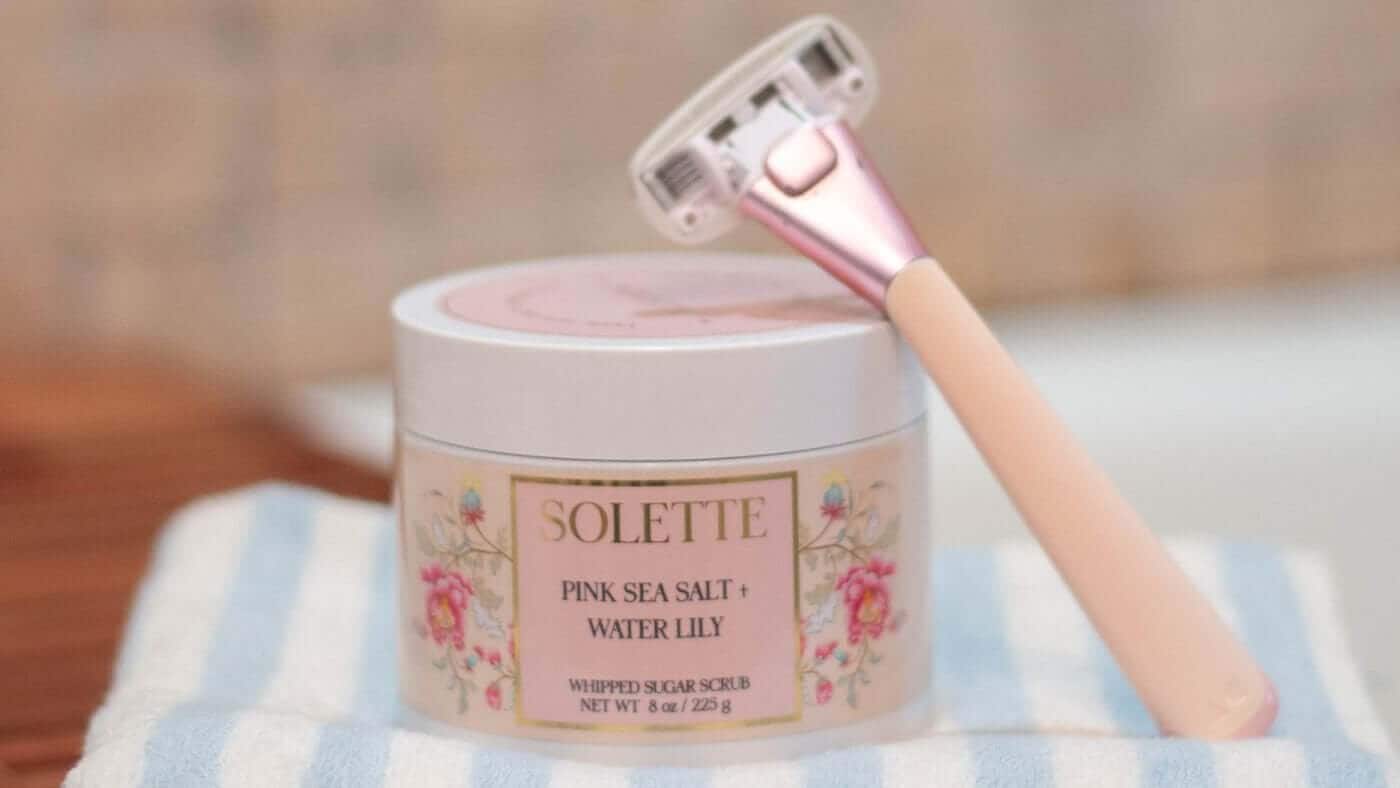
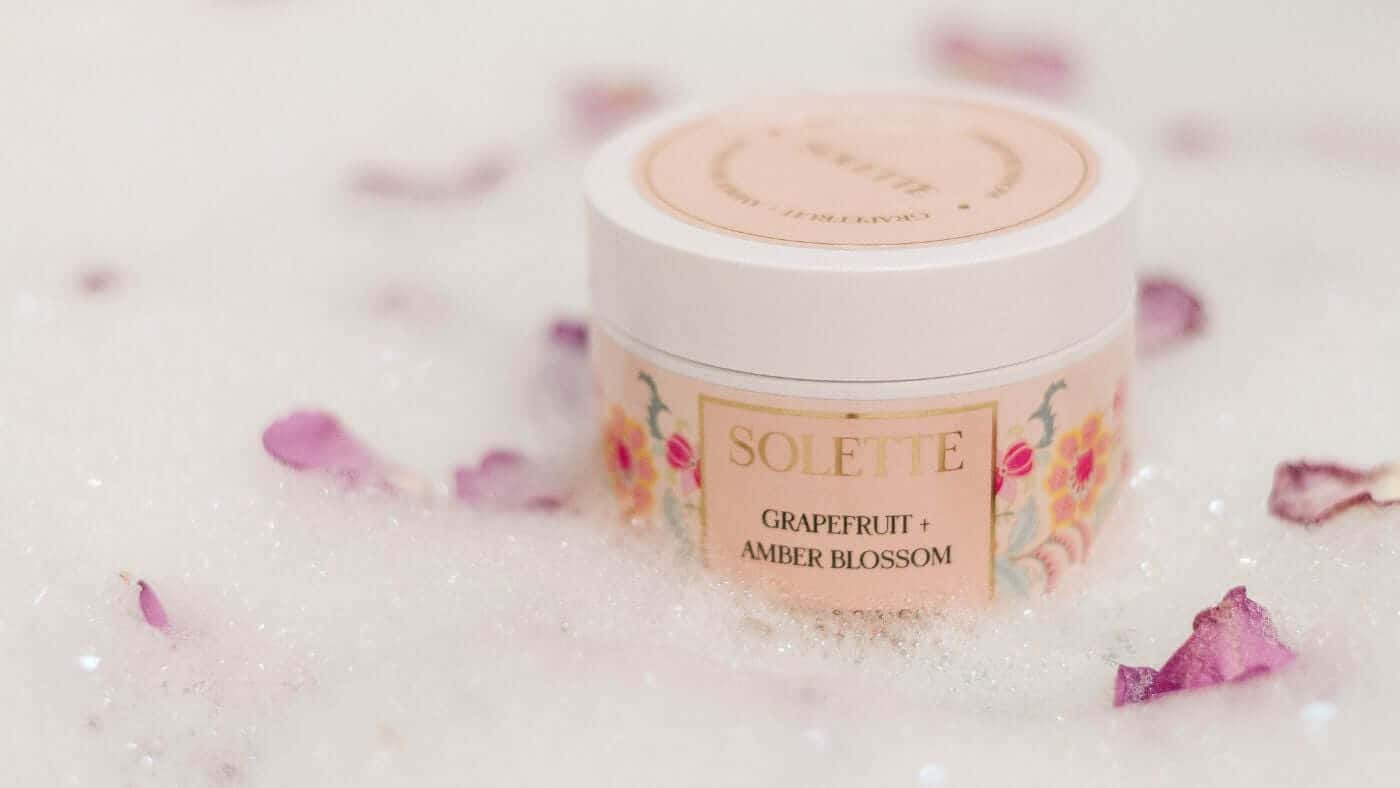
What does a body scrub do? These are the Two Jobs a Good Body Scrub Takes Care Of:
A well-formulated body scrub isn’t just an exfoliant — it’s doing two things at once:
- Physical exfoliation: The abrasive particles (sugar, salt, finely ground botanicals) physically slough away dead skin cells through mechanical action.
- Nourishment: The oil or butter base that carries those particles simultaneously conditions and softens skin as you scrub, so you’re not just removing — you’re also replenishing.
This dual action is what separates a quality body scrub from a basic one. A scrub that’s all grit and no nourishment leaves skin feeling raw and stripped. A scrub that’s all oil and not enough exfoliant doesn’t actually do the job. The balance between the two is everything.
What to Look for in the Exfoliant Itself
Not all scrubbing particles are created equal. Here’s how the most common natural exfoliants compare:
- Sugar: One of the gentlest natural exfoliants. Sugar granules are round-edged, which makes them less likely to cause micro-tears in the skin. Sugar also contains glycolic acid, a natural AHA that provides mild chemical exfoliation alongside the physical scrubbing. Great for most skin types, including sensitive skin.
- Salt: Coarser and more intense than sugar, salt is ideal for tougher areas like feet, heels, and elbows, or for people who prefer a more vigorous exfoliation. Salt also has natural antimicrobial properties and draws out impurities. Not recommended for freshly shaved skin or broken skin — it will sting. Also not recommended for sensitive skin as it can be a little too harsh.
- Ground botanicals (coffee, oats, rice bran): Finely ground plant materials offer gentle exfoliation with additional skin benefits — coffee grounds improve circulation and temporarily reduce the appearance of cellulite; oats are deeply soothing for irritated or reactive skin.
- Plastic microbeads: Banned in rinse-off cosmetics in the US since 2017, and for good reason — they pass through water treatment systems and accumulate in marine environments. You won’t find them in Solette products or any reputable clean beauty brand.
What to Look for in the Base
The base — the oil or butter that carries the exfoliant particles — is where a lot of the nourishing work happens. Look for:
- Nourishing plant oils: Sweet almond oil, jojoba oil, coconut oil, and sunflower oil all absorb well and deliver genuine skin benefits rather than just sitting on the surface.
- Plant butters: Shea butter and mango butter add richness and long-lasting moisture to the formula, making the post-scrub softness last well beyond the shower.
- What to avoid: Mineral oil (a petroleum derivative that coats without nourishing) and silicones like dimethicone.
How to Use a Body Scrub for Best Results
Even the best scrub won’t perform well if you’re using it wrong. Here’s how to get the most out of it:
- Apply to damp, not soaking wet, skin: A little water helps the scrub glide, but too much dilutes it and reduces effectiveness. Step out from under the shower stream, apply the scrub, then rinse.
- Use gentle, circular motions: You don’t need to scrub hard. The particles do the work — pressing too firmly can cause irritation and micro-tears. Light, consistent pressure in circular motions is all you need.
- Work from the bottom up: Starting at the feet and working upward toward the heart supports circulation and lymphatic drainage.
- Don’t skip the rinse: Rinse thoroughly with warm water to remove all exfoliant particles. Any residue left on skin can clog pores.
- Moisturize immediately after: Freshly exfoliated skin absorbs moisture better than at any other time. Apply body butter or lotion while skin is still slightly damp to lock in hydration.
How Often Should You Scrub?
Two to three times per week is the sweet spot for most people. More than that and you risk over-exfoliating — stripping the skin’s protective barrier and causing irritation, redness, and increased sensitivity. Less than once a week and you’re not keeping pace with your skin’s natural cell turnover.
If your skin is on the sensitive side, start with once a week and see how it responds before increasing frequency. If you’re using a salt scrub on rough areas like heels or elbows, you can be more aggressive there without worrying about sensitivity.
The Difference Is in the Details
A great body scrub is one of the simplest, most effective things you can add to your routine — but the details matter. The right exfoliant particle for your skin type. A nourishing base that works with your skin rather than stripping it. The right technique and frequency. Get those things right, and the results — smoother texture, better glow, more effective moisturizing — will follow.
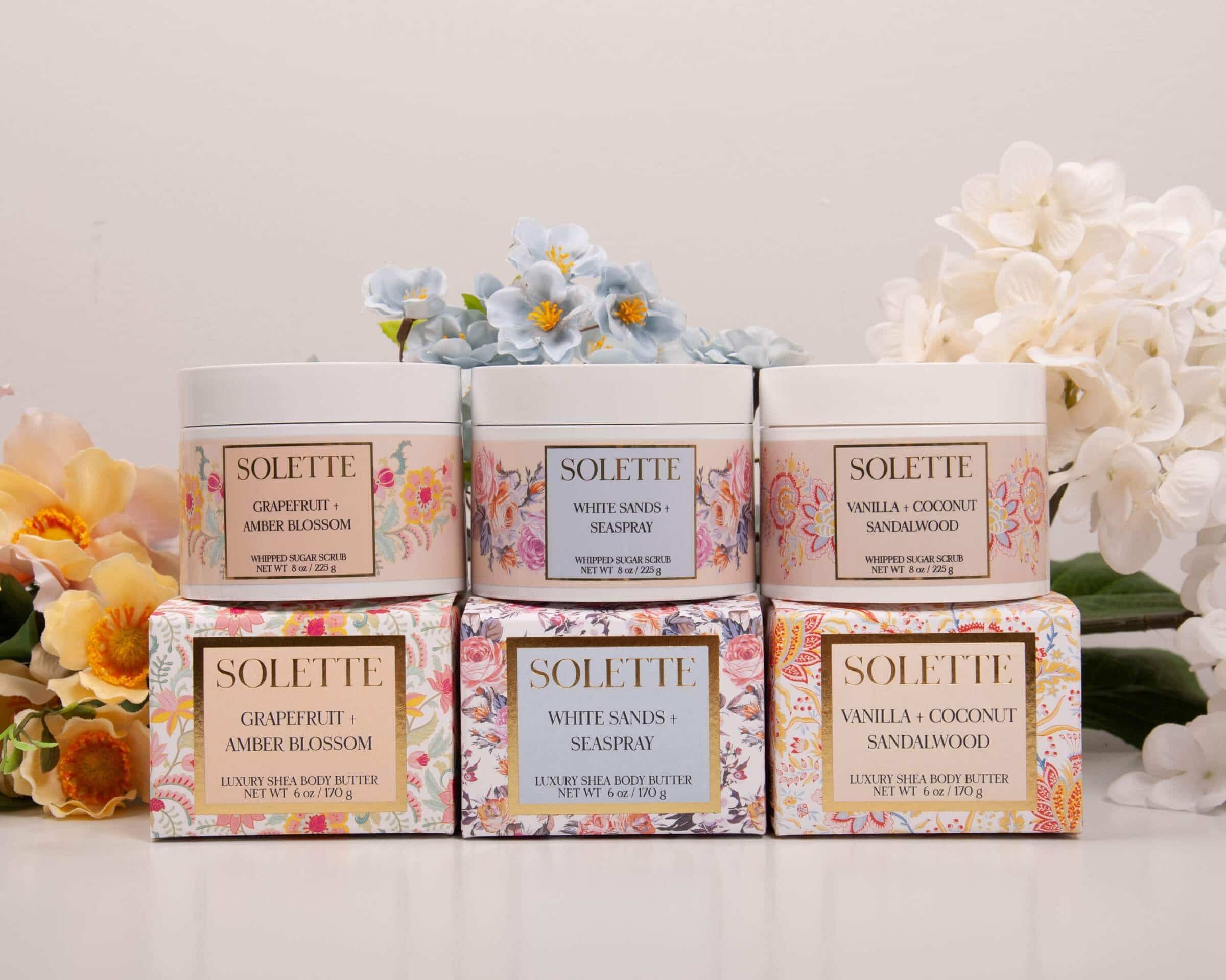
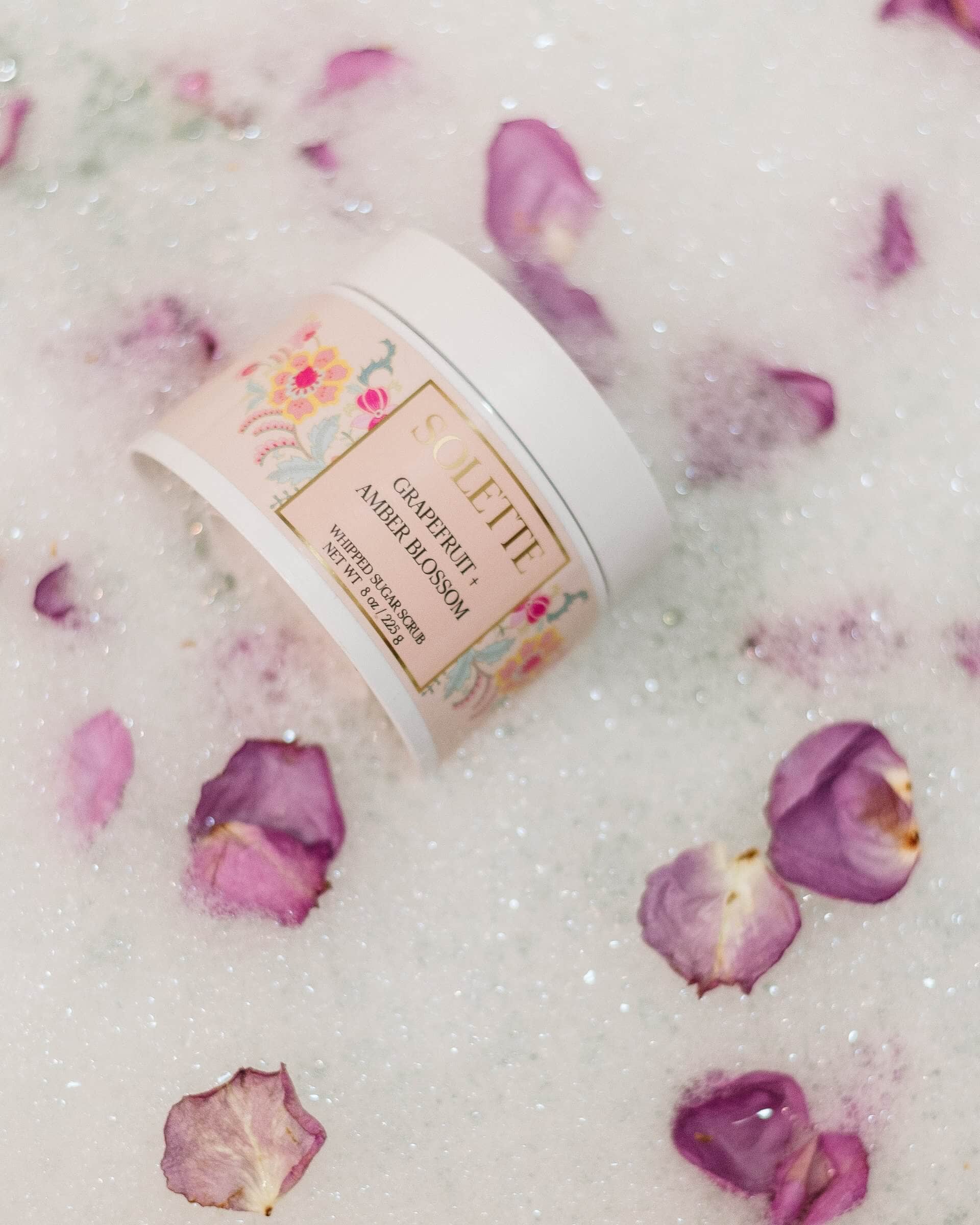
At Solette, our scrubs are formulated with exactly this balance in mind: effective exfoliation, genuinely nourishing bases, clean ingredients, and nothing your skin doesn’t need.
Want to read more blog posts about our sugar scrubs and their benefits? You can find those here
—
Ready to exfoliate the right way? Shop Solette’s body scrubs — vegan, clean, and made for skin that spends time near the water.
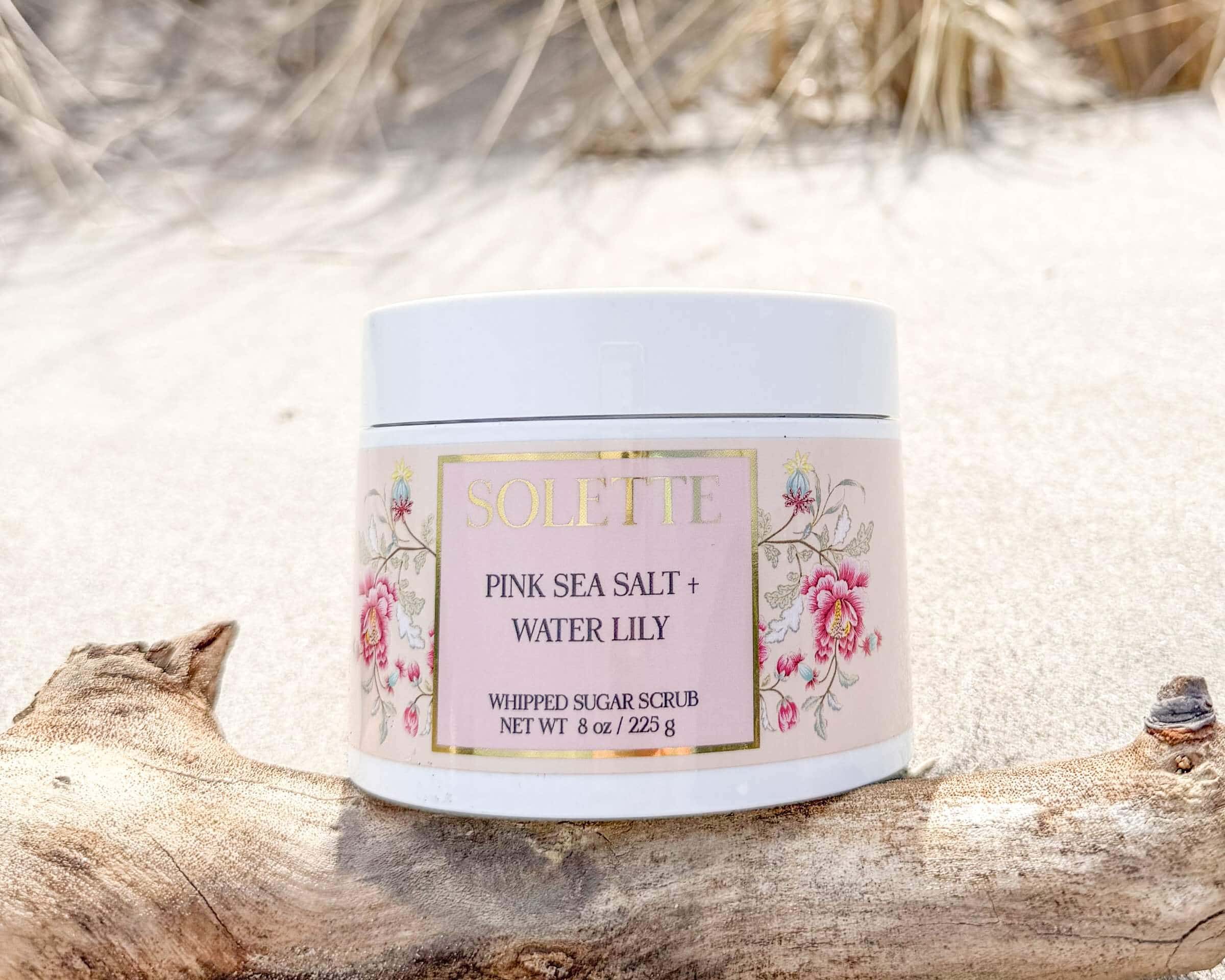
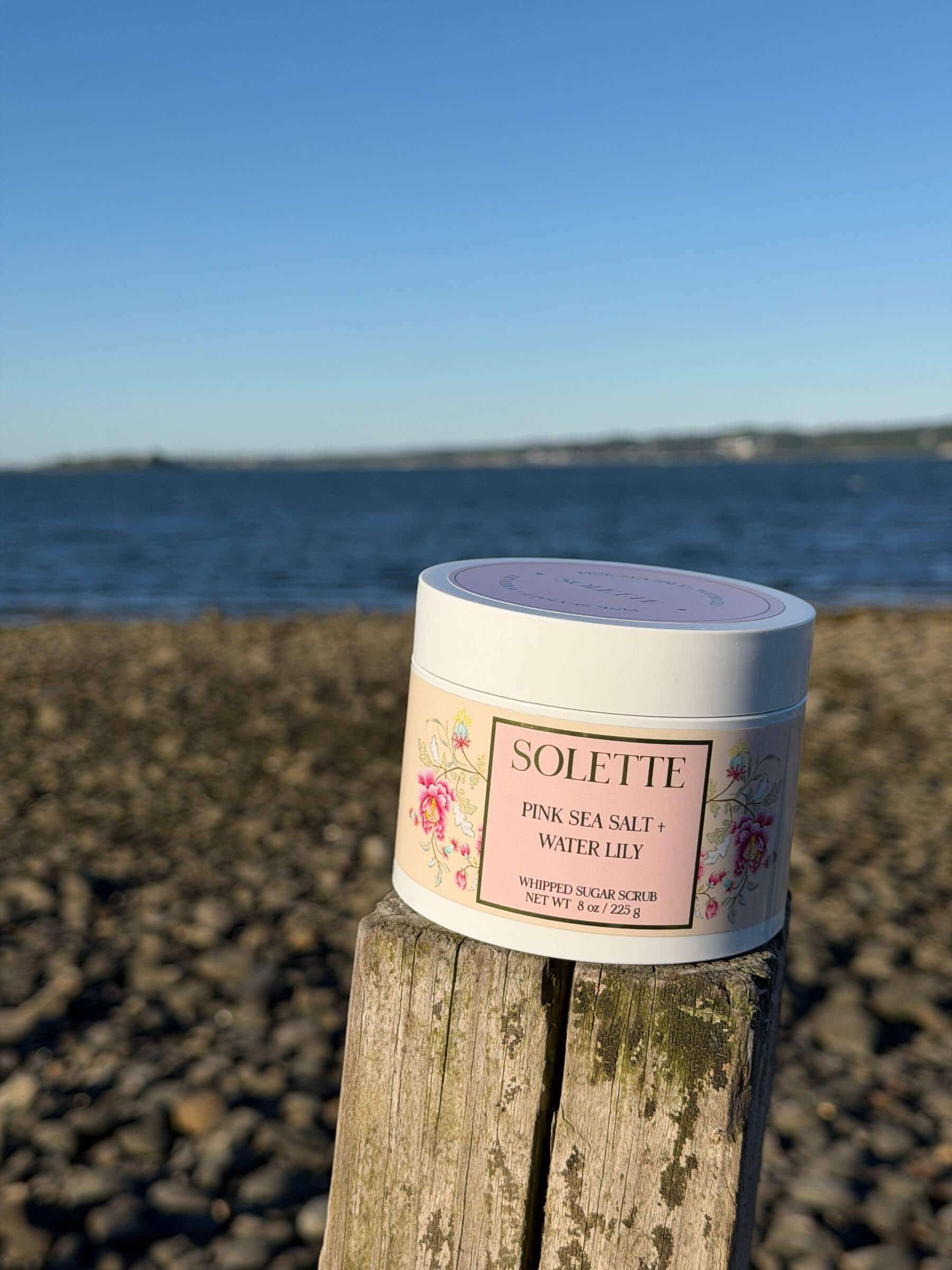
Pink Sea Salt + Water Lily Body Scrub
$24.00
Body Scrub for Sensitive Skin Even the most sensitive skin needs exfoliation. That's why we've created a unique formula that gently exfoliates while leaving your skin feeling deeply hydrated. Formulated with natural sugar and creamy coconut oil to create a whipped… read more