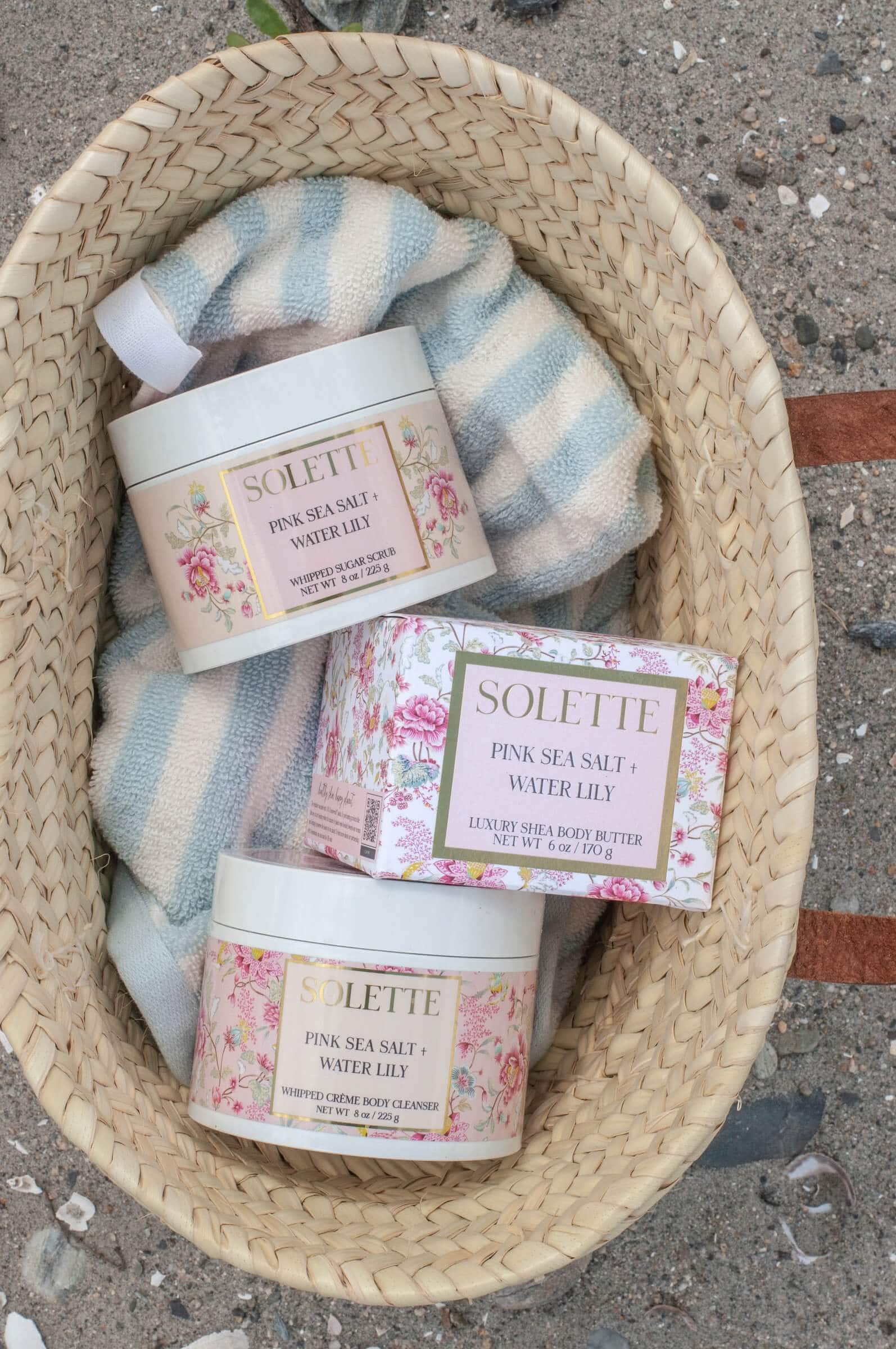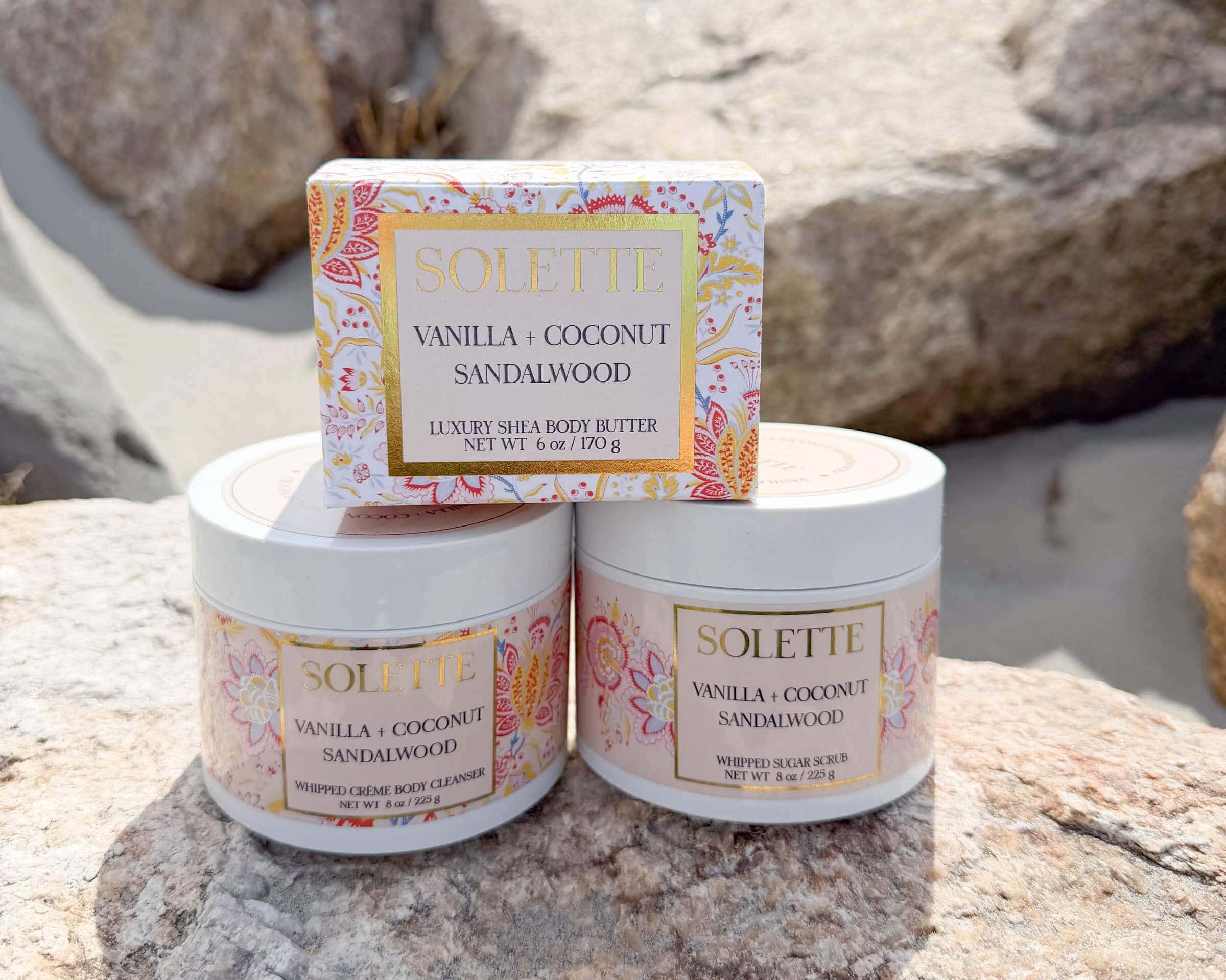
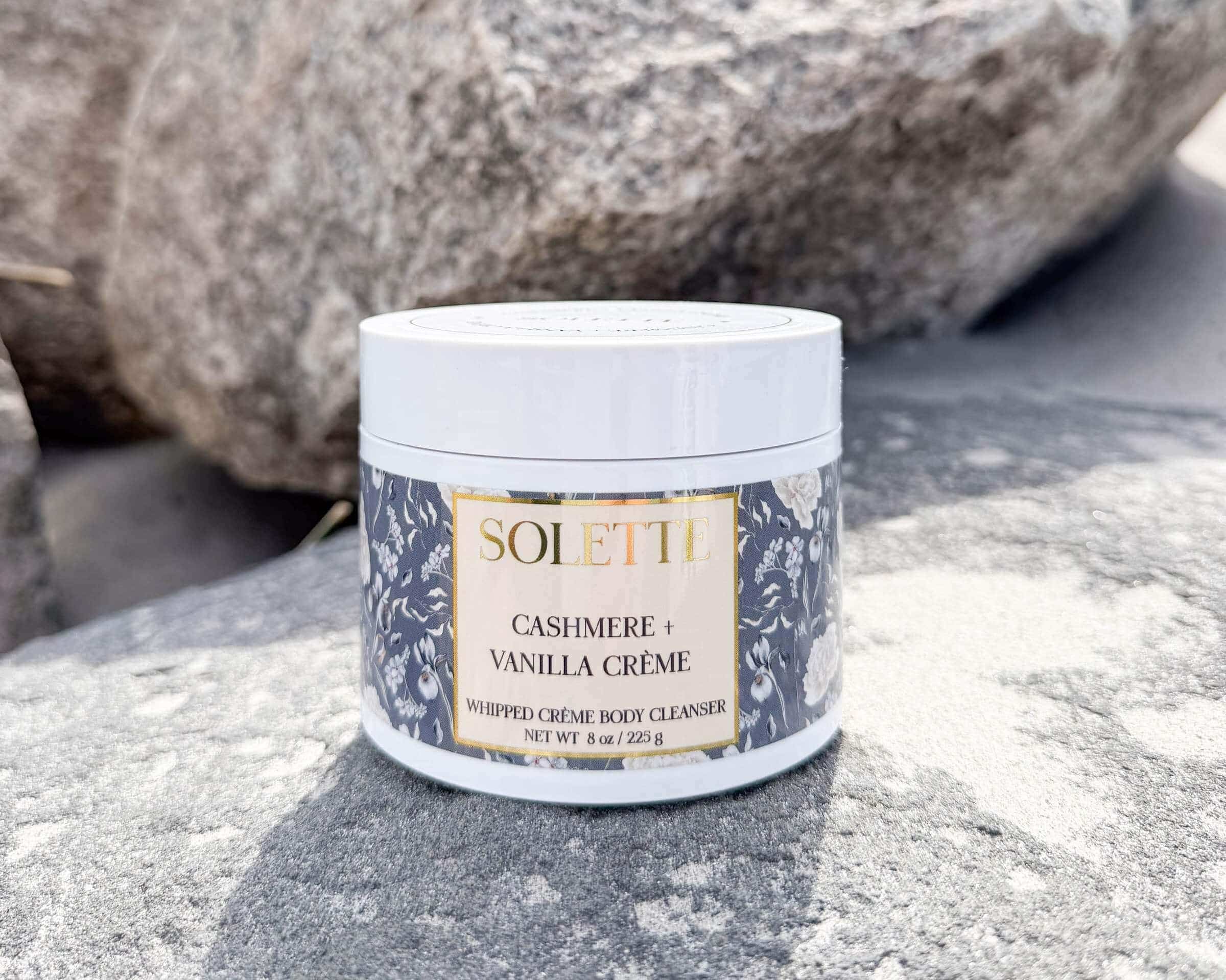
Table of Contents
Why does skin feel different in summer vs. winter?
What your skin needs shifts with the seasons, and understanding why makes it a lot easier to make the right adjustments at the right time. Here’s what’s actually happening as we move from winter to summer and our best tips on what to do about it.
What’s Actually Happening to Your Skin in Summer
Summer brings heat, humidity, UV exposure, and (especially here on the Rhode Island coast) salt air and wind. Each of these factors affects your skin in distinct ways:
- Heat increases oil production: Warmer temperatures stimulate your sebaceous glands to produce more sebum — the skin’s natural oil. This is why skin tends to feel oilier and products can feel heavier in summer.
- Humidity affects moisture balance: High humidity means there’s more water vapor in the air, which can actually help keep skin hydrated. But it also means sweat evaporates more slowly, which can contribute to clogged pores and breakouts.
- UV exposure accelerates cell turnover and damage: Sun exposure speeds up the shedding of dead skin cells but also causes oxidative stress and damage to the skin barrier over time. This is why consistent exfoliation and SPF are non-negotiable in summer.
- Salt and wind dehydrate: Salt water pulls moisture out of the skin, and coastal wind accelerates water loss through evaporation. Anyone spending time near the ocean knows this feeling well — that tight, slightly rough sensation after a beach day.
What’s Actually Happening to Your Skin in Winter
Winter is a different kind of challenge entirely. Instead of too much heat and humidity, your skin is dealing with cold, dry air and the drying effects of indoor heating:
- Cold air holds less moisture: Cold air simply has a lower capacity for water vapor than warm air. When it’s cold outside, the air is drier — and that dryness pulls moisture from your skin through a process called transepidermal water loss (TEWL).
- Indoor heating makes it worse: Central heating removes even more moisture from indoor air. The environment inside your home in January can be drier than a desert. Your skin feels every bit of it.
- Oil production slows down: Cooler temperatures cause sebaceous glands to produce less oil, which means skin’s natural protective barrier is thinner and less effective at retaining moisture.
- Hot showers compound the problem: The instinct to take long, hot showers in cold weather is completely understandable — but hot water strips the skin’s natural oils faster than anything else. It’s one of the most common causes of winter skin dryness.
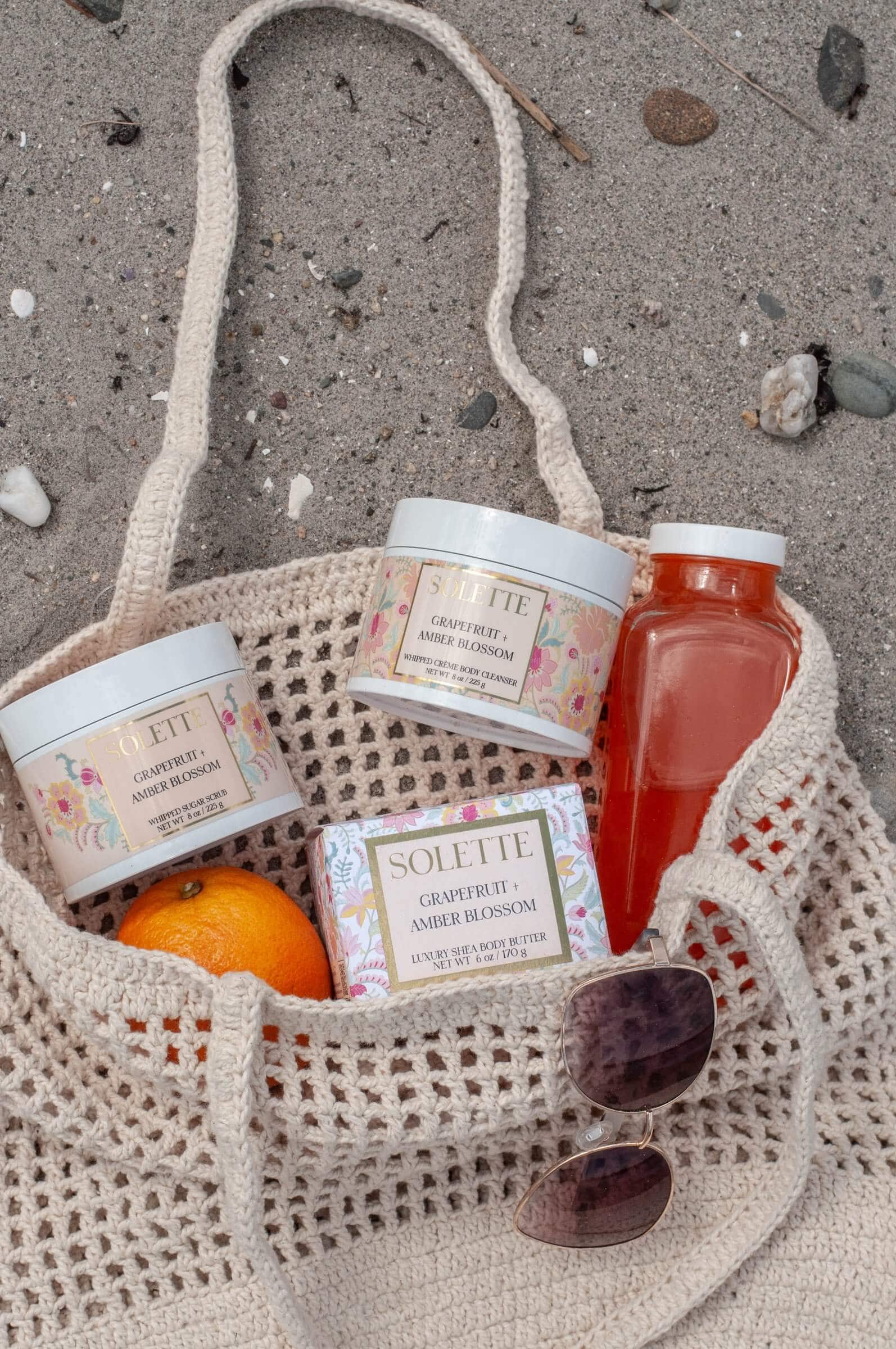

How to Adjust Your Routine for Summer
The goal in summer is to keep skin clean, protected, and hydrated without overloading it. Here’s how to dial in your routine:
- Exfoliate more consistently: Summer sun and activity speed up cell buildup. Aim for 2 to 3 times per week with a body scrub to keep skin smooth and allow your other products to absorb properly.
- Switch to a lighter moisturizer for daily use: If your skin tends to run oily in summer, a lighter lotion for everyday use makes sense. Save the richer body butter for post-beach evenings when your skin really needs it.
- Always rinse off after ocean or pool time: Salt and chlorine both dehydrate skin significantly if left to sit. A quick rinse and reapplication of moisturizer after water exposure makes a real difference.
- SPF is non-negotiable: Follow your body care routine with sunscreen on any exposed skin, every single day — not just beach days.
- Drink more water: Hydration starts from the inside. Heat, activity, and sweating all increase your body’s water needs in summer.
How to Adjust Your Routine for Winter
Winter is about protection and replenishment. Your skin is working harder just to maintain its moisture barrier, so your routine needs to support that:
- Upgrade to body butter: If you’ve been using a lightweight lotion, winter is the time to switch to a richer body butter. The heavier oil base creates a more effective barrier against moisture loss in cold, dry conditions.
- Apply moisturizer immediately after showering: This is important year-round but critical in winter. Apply body butter within one to two minutes of stepping out of the shower, while skin is still damp, to trap that surface moisture before it evaporates.
- Turn down the shower temperature: We know. It’s hard. But switching from hot to warm water in the shower is one of the single most effective changes you can make for winter skin. Your skin will thank you within a week.
- Exfoliate — but gently: Don’t skip exfoliation in winter. Dead cell buildup is still happening and prevents moisturizers from absorbing well. Stick to 1 to 2 times per week and choose a gentler scrub if your skin is feeling particularly sensitive.
- Consider a humidifier: Adding moisture back to your indoor air is one of the most underrated winter skincare moves. Even a small humidifier in your bedroom overnight makes a noticeable difference.
The Transition Seasons: Spring and Fall
Spring and fall are when most people’s routines get confused. The weather is unpredictable — warm one week, cold the next — and skin doesn’t always get the memo fast enough to keep up.
The best approach during transition seasons is to pay attention to how your skin actually feels rather than following a fixed routine. Keep both a lighter and a richer moisturizer on hand and use your judgment day by day. On dry, cold days — reach for the butter. On warm, humid days — go lighter. Your skin is giving you feedback all the time; the transition seasons are a good time to start listening to it.
Want more skin care routines and tips? You can read all our other blog posts about this topic here
Your Skin Is Seasonal. Your Routine Should Be Too.
The same product used the same way every day of the year is rarely going to give you the best results — because your skin isn’t the same every day of the year. It’s adapting constantly to temperature, humidity, UV exposure, and everything else your environment throws at it.
Building a flexible routine — one where you have the right products for different conditions and the awareness to know when to reach for which — is the most effective approach to consistent, year-round skin health. It doesn’t have to be complicated. It just has to be responsive.
—
Shop Solette’s body butters, scrubs, and washes — clean, vegan, and formulated for skin that lives close to the coast, whatever the season.
Grapefruit + Amber Blossom Body Scrub
$10.00
$24.00
Body Scrub for Sensitive Skin Even the most sensitive skin needs exfoliation. That's why we've created a unique formula that gently exfoliates while leaving your skin feeling deeply hydrated. Formulated with natural sugar and creamy coconut oil to create a whipped… read more